Before You Apply Overseas, Make Sure These Documents Are Ready
Many people lose overseas opportunities not because they are unqualified — but because their documents are incomplete, expired, or poorly prepared.
This guide explains which documents are commonly needed for overseas jobs, why they matter, and how to prepare them properly so you don’t panic later in the process.
Why documents matter more than people realise
Overseas employers don’t know you personally.
Your documents are how they decide whether:
-
You are real
-
You are qualified
-
You are reliable
-
You meet legal requirements
Missing or incorrect documents can delay or cancel an opportunity, even after interviews.
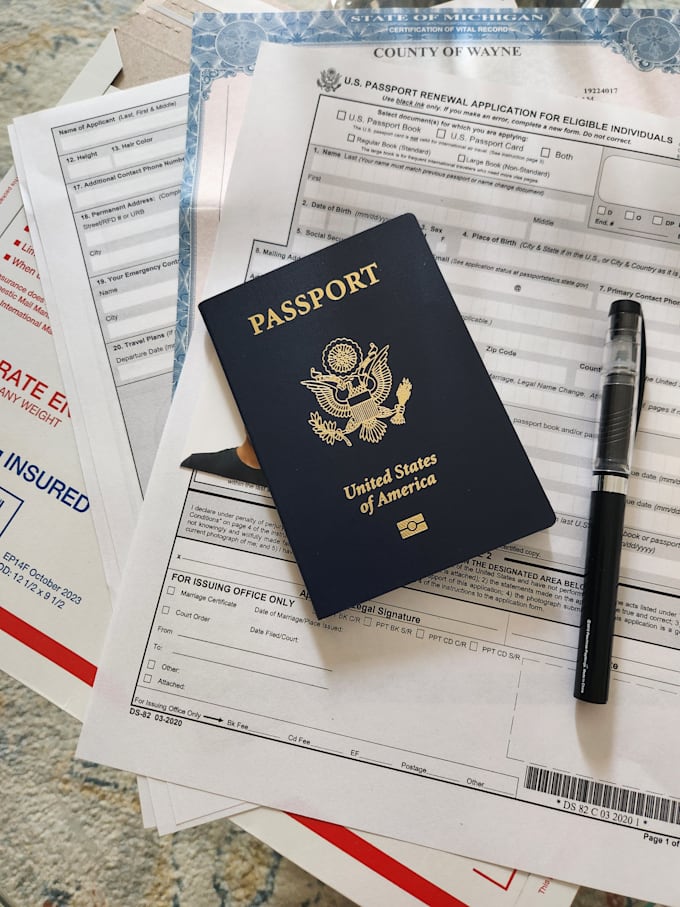
Your passport is the starting point
A valid passport is non-negotiable for overseas work.
Important things to check:
-
It should not be expired
-
Many countries require at least 6 months validity
-
Your personal details must be correct
If your passport is close to expiring, renew it before applying.
Your CV needs to be clear and honest
An overseas CV should:
-
Be simple and easy to read
-
Focus on skills and experience
-
Avoid unnecessary personal details
-
Be truthful and up to date
Employers abroad care more about what you can do than long stories.
Qualifications and certificates (when required)
Depending on the job, you may need:
-
School certificates
-
Trade qualifications
-
Diplomas or degrees
-
Short course certificates
Some countries require certificates to be verified or translated, so keep originals safe.
Police clearance is often required
Many overseas employers ask for a police clearance to confirm:
-
You have no serious criminal record
-
You are suitable for trust-based roles
This process can take time, so don’t wait until the last minute.
Medical checks and health records
Some jobs, especially in:
-
Healthcare
-
Caregiving
-
Construction
-
Food handling
require medical tests to confirm you are fit to work.
These are normal checks, not punishment.
Proof of work experience
If you have worked before, proof may include:
-
Reference letters
-
Payslips
-
Contracts
-
Contact details of supervisors
Even informal experience can help if explained honestly.
This is where many people struggle
Many applicants:
-
Rush document preparation
-
Submit unclear copies
-
Lose original certificates
-
Ignore expiry dates
Preparing early reduces stress and mistakes.
A realistic example many people relate to
Someone gets shortlisted for an overseas role but delays submitting police clearance and medical results. The employer moves on to another candidate.
The opportunity was real — the preparation was late.
How to organise your documents properly
A simple system helps:
-
Scan and save digital copies
-
Keep originals in a safe folder
-
Rename files clearly
-
Back up documents online
Organisation shows seriousness.
Where to learn about overseas opportunities and preparation
Trusted platforms usually explain:
-
What documents are needed
-
When they are required
-
How to prepare step by step
Official overseas opportunities platform
Below is an official platform where overseas job opportunities and guidance are shared clearly:
Official opportunities platform
Are you ready to apply overseas?
Overseas work doesn’t start with applications — it starts with preparation.
If your documents are ready, you move faster and with more confidence. If not, it’s okay to pause and prepare properly.
Strong foundations matter.
What document preparation often looks like