Thinking About Remote International Jobs? Read This Before You Believe the Hype
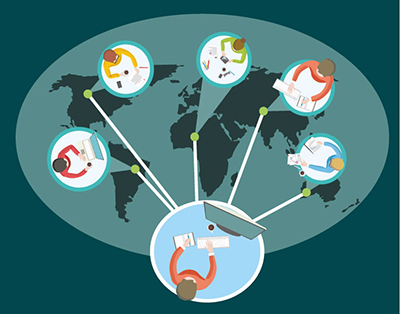
Remote international jobs sound attractive. Working for a company overseas while sitting at home feels like freedom. But many people jump in without understanding how these jobs really work — and that’s where disappointment starts.
This guide explains remote international jobs honestly, so you know what is real, what to watch out for, and whether this option fits your life.
What people actually mean by “remote international jobs”
A remote international job means:
-
You work online
-
The company is based outside South Africa
-
You are paid for work done digitally
You don’t relocate. You don’t need a work visa for the foreign country. But you do need real skills and discipline.
Why remote jobs are growing worldwide
Many companies hire remotely because:
-
It’s cheaper than office space
-
They need workers across time zones
-
Digital work doesn’t require physical presence
This has opened doors for people globally — including South Africans — but competition is high.
Types of remote international jobs that actually exist
Customer support and helpdesk roles
These jobs usually involve:
-
Answering emails or chats
-
Supporting customers
-
Following clear procedures
Good communication and reliability matter more than degrees.
Virtual assistant and admin support
Typical tasks include:
-
Scheduling
-
Data entry
-
Email management
-
Basic online research
Organisation and consistency are key.
Content moderation and online support
Some companies hire people to:
-
Review online content
-
Flag inappropriate material
-
Follow platform rules
These roles require focus and emotional resilience.
Digital and tech-related work
If you have experience, roles may include:
-
Web support
-
Digital marketing assistance
-
Graphic or content work
-
Junior tech support
These roles often require proof of skills.
This is where many people get confused
Remote jobs are not passive income.
You still:
-
Work fixed hours
-
Follow instructions
-
Meet deadlines
-
Report to managers
If someone promises “easy money” with little effort, be careful.
What remote employers usually look for
Most employers focus on:
-
Reliable internet connection
-
Clear communication
-
Time management
-
Ability to work independently
Your attitude often matters as much as experience.
A realistic example many people relate to
Someone with basic admin skills applies for a remote support role. They complete online training, work scheduled hours, and earn steadily — not instantly, but consistently.
That’s how real remote work usually starts.
Things you should think about before applying
Ask yourself:
-
Do I have a quiet space to work?
-
Can I manage my time without supervision?
-
Am I comfortable working online daily?
-
Can I handle delayed feedback or time zone differences?
Remote work suits some people — not everyone.
How to avoid remote job scams
Be cautious if:
-
You’re asked to pay to join
-
No company details are shared
-
You’re promised guaranteed income
-
Communication feels rushed or unclear
Legitimate remote jobs explain expectations clearly.
Where real remote opportunities are shared
Trusted platforms usually:
-
Explain job roles clearly
-
List requirements honestly
-
Avoid pressure tactics
-
Focus on long-term work, not quick wins
Official remote and international opportunities platform
Below is an official platform where remote and international job opportunities are shared:
Official opportunities platform
Is remote international work right for you?
Remote jobs can offer flexibility and global exposure — but only if you’re prepared for responsibility and consistency.
If you value structure, learning, and steady growth, this path may suit you. If you’re looking for shortcuts, it likely won’t.
Understanding comes first. Decisions come after.
What remote international work often looks like